
exceit GmbH
Our mission at exceit is to unlock the full potential of OLED technology by solving its most fundamental bottleneck: efficient and durable blue pixels. Instead of compensating losses with increasingly complex architectures, we take an unconventional approach that starts at the root of the problem—exciton formation itself.
Building on a disruptive discovery of a triplet-suppression effect that has been widely overlooked in OLED design, we use digital twins of OLED devices to explore parameter regimes inaccessible to trial-and-error experimentation. This enables us to prevent microscopic losses rather than manage their consequences. The result is a computer-driven, rational design approach that reduces architectural complexity, accelerates development cycles, and unlocks breakthroughs in efficiency and stability that conventional R&D has failed to achieve despite decades of heavy investment.
Dr. Tobias Neumann
CEO and Co-Founder
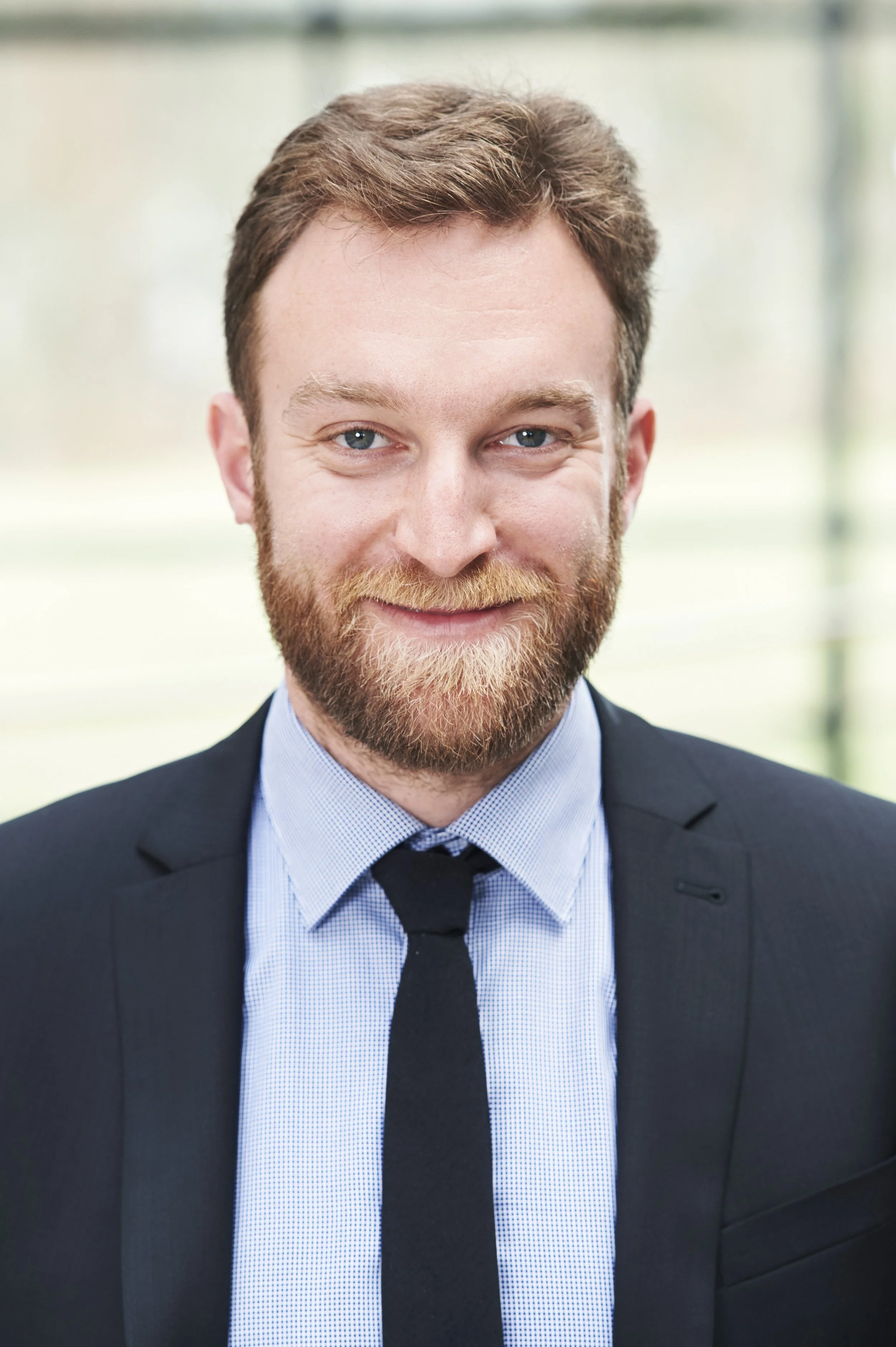
Dr. Tobias Neumann has ten years of experience in OLED R&D management, industry collaborations, and public funding projects. He combines a solid technical background in OLED physics with responsibility for project coordination, customer interaction, and technology transfer. At exceit, he leads overall strategy and the transition from prototype development toward industrial validation.
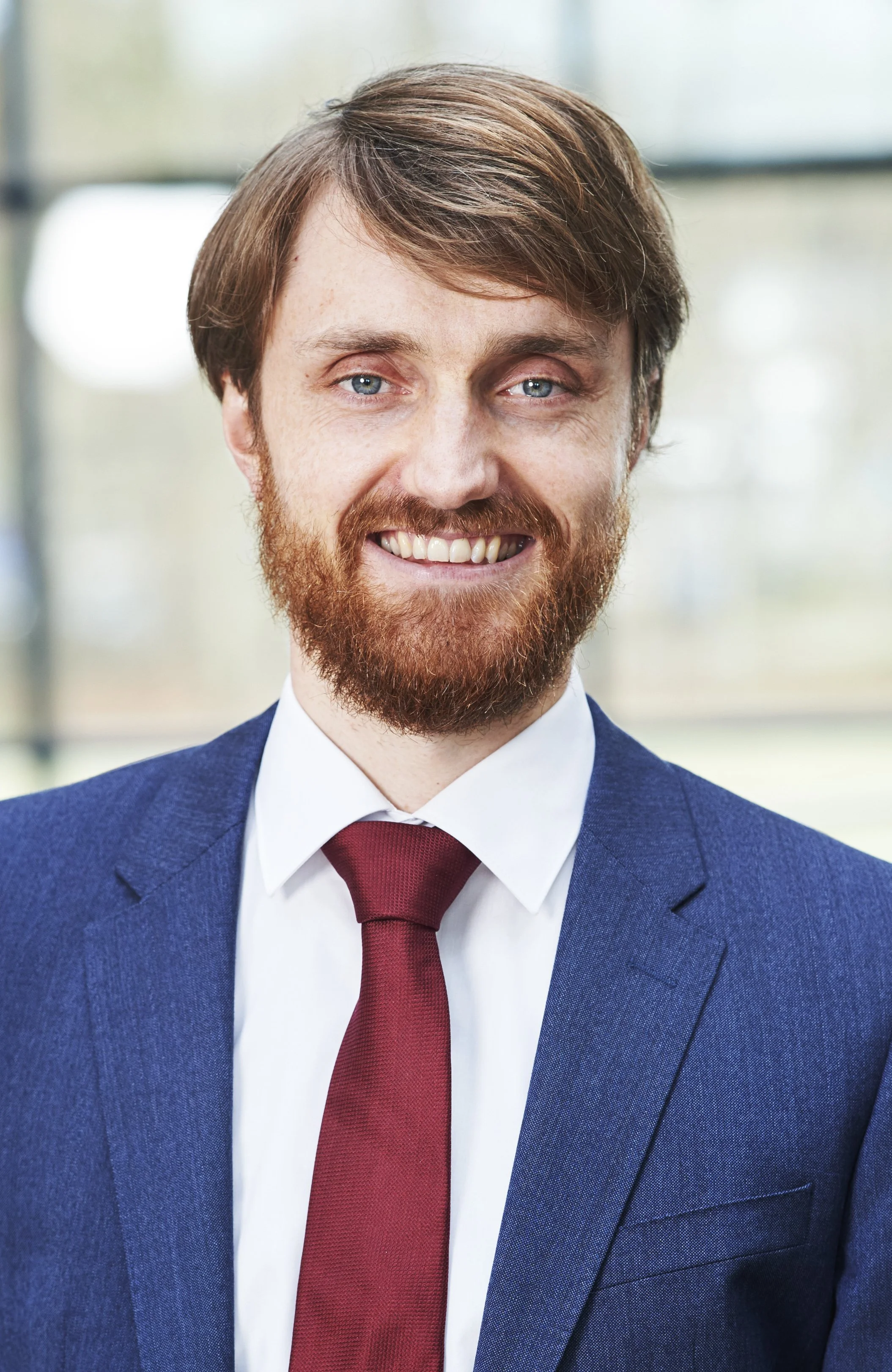
Dr. Franz Symalla
CSO and Co-Founder
Dr. Franz Symalla is the inventor of the exceit OLED architecture and an expert in the fundamental electronic and excitonic processes in OLEDs. His work focuses on physics-based material selection and stack design. At exceit, he leads the scientific direction, defines material and architecture requirements, and guides experimental prototyping.
Dr. Timo Strunk
CTO and Co-Founder
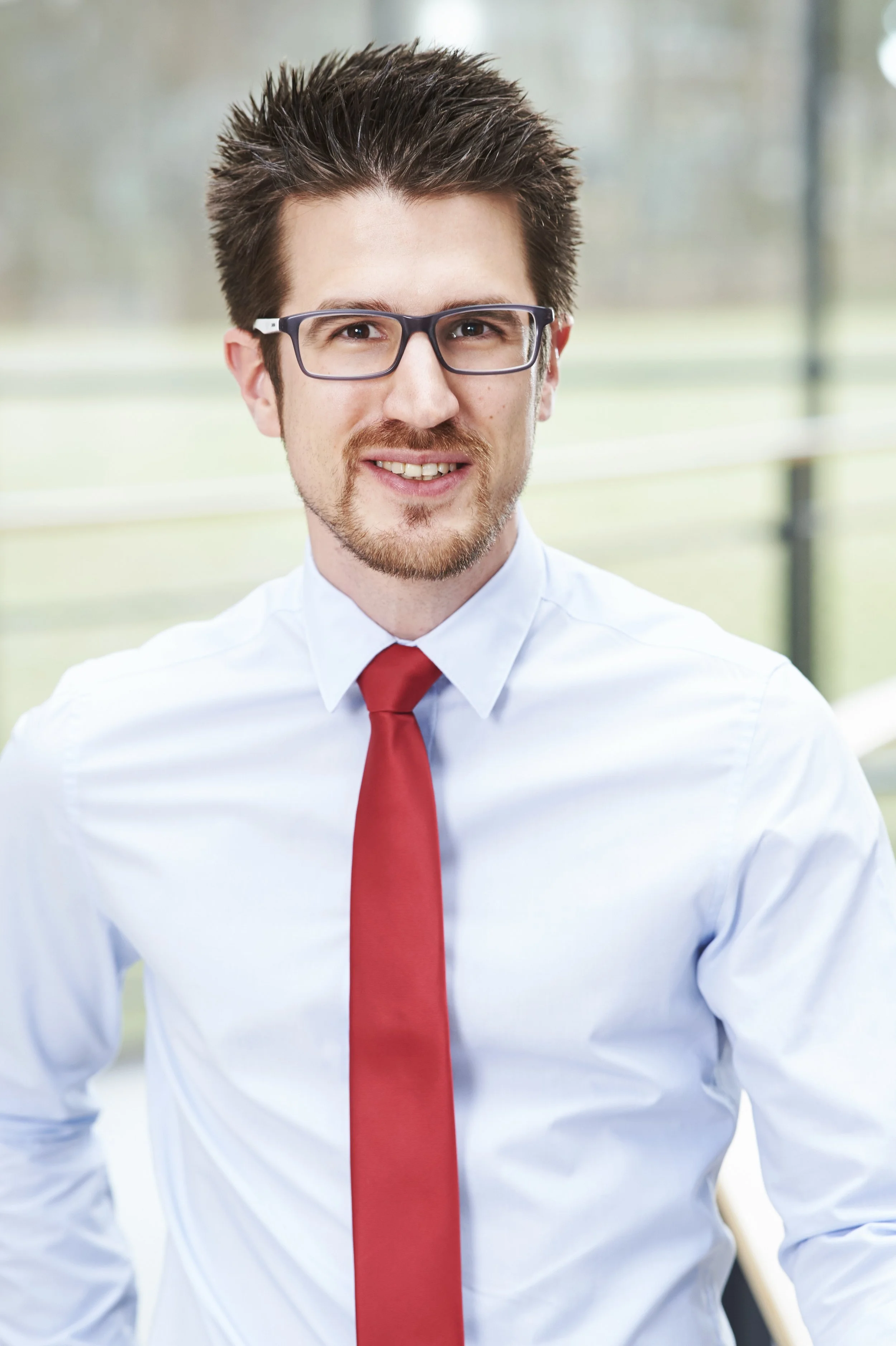
Dr. Timo Strunk specializes in simulation-driven OLED development, combining physical models with data-driven methods. He has extensive expertise in computational material design and ten years experience industrial B2B support. At exceit, he is responsible for the digital twin infrastructure and the integration of new simulation and analysis methods.